
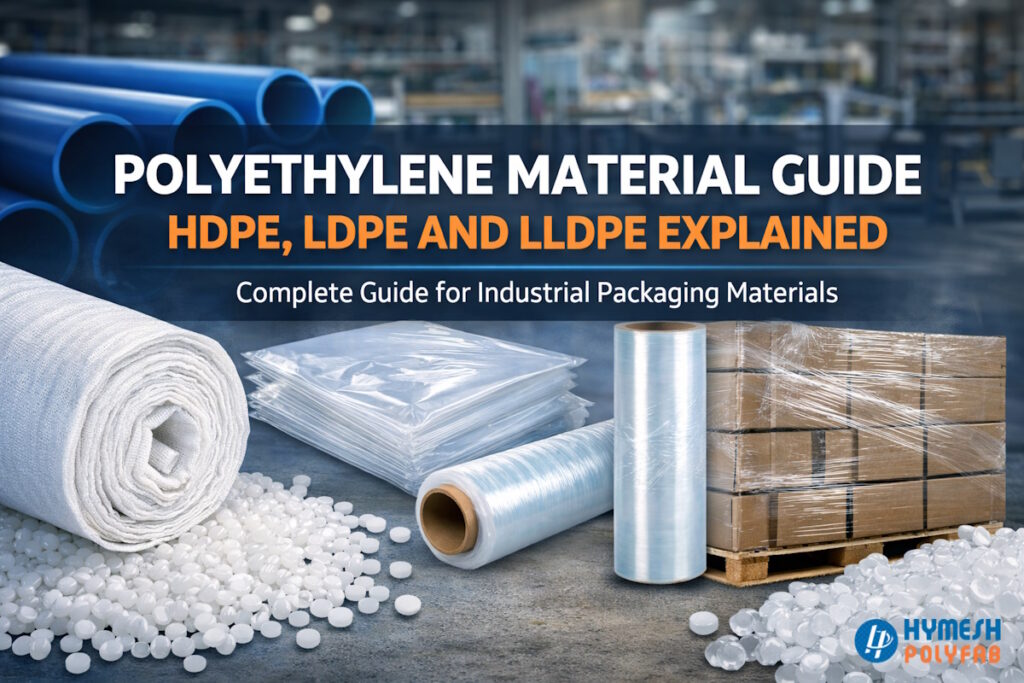
Polyethylene is one of the most widely used plastics in the world. It is found in many everyday products such as packaging films, bottles, containers, pipes, and woven bags.
Businesses across industries depend on this versatile material because it is strong, flexible, and cost effective.
When people talk about polyethylene material, they usually refer to a family of plastic materials that share similar chemical structures but differ in density and performance.
The three main grades of polyethylene are HDPE, LDPE, and LLDPE. Each type has unique properties that make it suitable for different applications. Understanding these grades helps manufacturers, packaging companies, and buyers choose the right material for their needs.
In this article, we will explain polyethylene material in detail and explore the differences between HDPE, LDPE, and LLDPE. We will also discuss their uses, benefits, and how they compare with other packaging materials such as polypropylene packaging material.
Need help choosing the right polyethylene material for your packaging needs?
Understanding Polyethylene Material
Polyethylene is a thermoplastic polymer made from ethylene gas. The production process links small molecules called monomers into long chains to form a strong plastic material. The structure of these chains determines the density and flexibility of the final product.
Because of its simple chemical structure, polyethylene material offers many advantages.
Key benefits include:
- High durability
- Resistance to moisture and chemicals
- Lightweight properties
- Good flexibility
- Easy processing during manufacturing
- Cost efficiency for large scale production
These qualities make polyethylene a popular choice for packaging, agriculture, construction, and many industrial applications.
Polyethylene is also easy to recycle and can be reused in several products. This makes it an important material for industries that are focusing on sustainability and waste reduction.
The Three Main Grades of Polyethylene
Polyethylene is divided into several grades based on density and molecular structure. The most common types include:
- HDPE (High Density Polyethylene)
- LDPE (Low Density Polyethylene)
- LLDPE (Linear Low Density Polyethylene)
Each type has specific properties that make it suitable for different products. Let us explore them one by one.
HDPE: High Density Polyethylene
High Density Polyethylene, commonly known as HDPE, is one of the strongest types of polyethylene material. It has a tightly packed molecular structure which gives it high strength and rigidity.
Properties of HDPE
HDPE is known for its excellent durability and resistance to chemicals. Its dense structure makes it stronger than other types of polyethylene.
Some important properties include:
- High tensile strength
- Good resistance to impact
- Excellent chemical resistance
- Low moisture absorption
- High durability
- Strong barrier against environmental stress
Because of these features, HDPE is widely used in many industrial and commercial applications.
Common Uses of HDPE
HDPE is used in products that require strength and durability. Some common applications include:
- Plastic bottles and containers
- Water and gas pipes
- Industrial storage tanks
- Packaging crates
- Plastic drums
- Woven sacks and bags
One important industry that uses HDPE is the woven packaging industry. Many companies work with an HDPE Woven Fabrics Supplier to manufacture strong woven bags that can carry heavy loads such as grains, fertilizers, and chemicals.
Want high quality woven fabric solutions?
HDPE in Woven Fabric Applications
HDPE woven fabrics are made by weaving narrow strips of HDPE plastic into strong sheets. These sheets are then converted into bags, tarpaulins, and industrial covers.
Industries prefer HDPE woven fabrics because they offer:
- High strength
- Long life
- Resistance to moisture
- Protection against rough handling
These qualities make HDPE woven bags ideal for packaging and transporting bulk materials.
LDPE: Low Density Polyethylene
Low Density Polyethylene, or LDPE, is another widely used polyethylene material. It has a more branched molecular structure compared to HDPE. This structure makes LDPE softer and more flexible.
Properties of LDPE
LDPE is known for its flexibility and smooth texture. It is not as strong as HDPE but offers excellent elasticity.
Key properties include:
- High flexibility
- Soft texture
- Good transparency
- Excellent resistance to moisture
- Easy sealing ability
Because of these features, LDPE is often used in products that require flexibility and softness.
Common Uses of LDPE
LDPE is widely used in packaging and film applications. Some common products include:
- Plastic carry bags
- Food packaging films
- Shrink wrap
- Squeeze bottles
- Protective covers
- Agricultural films
LDPE films are popular in the packaging industry because they provide a good moisture barrier while remaining lightweight and flexible.
LLDPE: Linear Low Density Polyethylene
LLDPE stands for Linear Low Density Polyethylene. It is a modified version of polyethylene that combines the flexibility of LDPE with improved strength.
LLDPE has a linear molecular structure with short branches. This structure improves its toughness and puncture resistance.
Properties of LLDPE
LLDPE offers several advantages compared to traditional LDPE.
Important properties include:
- High tensile strength
- Excellent puncture resistance
- Good flexibility
- Strong impact resistance
- Better stretch properties
Because of these characteristics, LLDPE is widely used in modern packaging systems.
Common Uses of LLDPE
LLDPE is used in many packaging and industrial applications such as:
- Stretch films
- Pallet wrapping films
- Heavy duty sacks
- Agricultural covers
- Flexible packaging materials
Stretch films made from LLDPE are used to secure goods during transportation. The material stretches around products and holds them tightly in place.
Key Differences Between HDPE, LDPE, and LLDPE
Although all three materials belong to the polyethylene family, they differ in density, flexibility, and strength.
Density
HDPE has the highest density among the three. LDPE has the lowest density, while LLDPE falls between them.
Higher density usually means stronger and more rigid material.
Flexibility
LDPE is the most flexible type of polyethylene material. LLDPE also offers good flexibility but with improved strength. HDPE is more rigid and less flexible.
Strength
HDPE provides the highest strength and durability. LLDPE offers a good balance between strength and flexibility. LDPE is softer and less strong.
Typical Applications
HDPE is used for pipes, containers, and woven fabrics.
LDPE is commonly used in plastic films and bags.
LLDPE is widely used in stretch films and flexible packaging.
Understanding these differences helps manufacturers choose the right polyethylene grade for their specific needs.
Polyethylene vs Polypropylene in Packaging
While polyethylene is widely used in packaging, another popular plastic material is polypropylene. Both materials serve similar purposes but have different properties.
Polypropylene packaging material is known for its higher heat resistance and stiffness compared to polyethylene.
Advantages of Polypropylene Packaging Material
Polypropylene offers several benefits in packaging applications.
These include:
- Higher melting point
- Better rigidity
- Strong resistance to chemicals
- Good fatigue resistance
Because of these features, polypropylene is widely used in food containers, caps, and industrial packaging materials.
Polypropylene Woven Fabrics
One of the most important uses of polypropylene is in the production of Polypropylene Woven Fabrics.
These fabrics are created by weaving polypropylene tapes into strong sheets. The sheets are then converted into bags, sacks, and packaging materials.
Polypropylene woven fabrics are widely used in industries such as:
- Agriculture
- Cement
- Fertilizers
- Food grains
- Construction materials
The strength and durability of these fabrics make them suitable for carrying heavy loads.
Choosing the Right Polyethylene Material
Selecting the correct polyethylene grade depends on several factors.
Businesses usually consider the following aspects:
Product Strength Requirements
If a product needs high strength and durability, HDPE is often the best option.
Flexibility Needs
For flexible films and packaging, LDPE or LLDPE may be more suitable.
Environmental Conditions
Exposure to moisture, chemicals, or sunlight may influence the choice of material.
Manufacturing Process
Different materials work better with certain manufacturing techniques such as extrusion, blow molding, or film production.
By understanding these factors, manufacturers can choose the most suitable polyethylene material for their applications.
Industrial Importance of Polyethylene
Polyethylene plays a critical role in modern manufacturing and packaging industries.
Several sectors depend on polyethylene material for their daily operations.
Packaging Industry
Polyethylene films and bags are used to protect products during storage and transportation.
Agriculture Industry
Farmers use polyethylene films for greenhouse covers, irrigation pipes, and crop protection.
Construction Industry
HDPE pipes are widely used for water supply and drainage systems.
Textile and Woven Industry
Both HDPE and polypropylene are used in the production of woven fabrics and industrial bags.
Companies working with an HDPE Woven Fabrics Supplier often produce bulk packaging material used in agriculture and construction industries.
Sustainability and Recycling
One of the biggest advantages of polyethylene is its recyclability. Many polyethylene products can be recycled and converted into new items.
Recycled polyethylene is often used to produce:
- Plastic furniture
- Containers
- Pipes
- Industrial sheets
- Packaging products
Recycling helps reduce plastic waste and supports sustainable manufacturing practices.
Many companies are also developing advanced recycling technologies that improve the reuse of polyethylene material.
Future Trends in Polyethylene Manufacturing
The demand for polyethylene continues to grow worldwide. Industries are constantly exploring new technologies to improve material performance.
Some important trends include:
Lightweight Packaging
Manufacturers are developing thinner films that use less material while maintaining strength.
Improved Recycling Systems
Advanced recycling methods are helping reduce plastic waste and increase material reuse.
Sustainable Production
Many companies are working on bio based polyethylene made from renewable resources.
High Performance Materials
New grades of polyethylene are being developed with improved durability and resistance.
These innovations will continue to expand the role of polyethylene in modern industries.
Conclusion
Polyethylene is one of the most versatile and widely used plastics in the world. Understanding the different grades of polyethylene material helps businesses select the right material for their products.
HDPE, LDPE, and LLDPE each offer unique advantages.
HDPE provides high strength and durability, making it suitable for containers, pipes, and woven fabrics. LDPE offers flexibility and softness, making it ideal for packaging films and plastic bags. LLDPE combines strength and flexibility, which makes it perfect for stretch films and heavy duty packaging.
In addition to polyethylene, materials like polypropylene packaging material and Polypropylene Woven Fabrics also play an important role in modern packaging industries.
Companies working with HDPE Woven Fabrics Supplier benefit from durable woven materials used in bulk packaging applications.
As industries continue to grow and innovate, polyethylene will remain a key material in manufacturing, packaging, and infrastructure development. Its versatility, affordability, and recyclability ensure that it will continue to play a vital role in the global plastic industry for many years to come.
Looking for strong HDPE woven fabrics?