
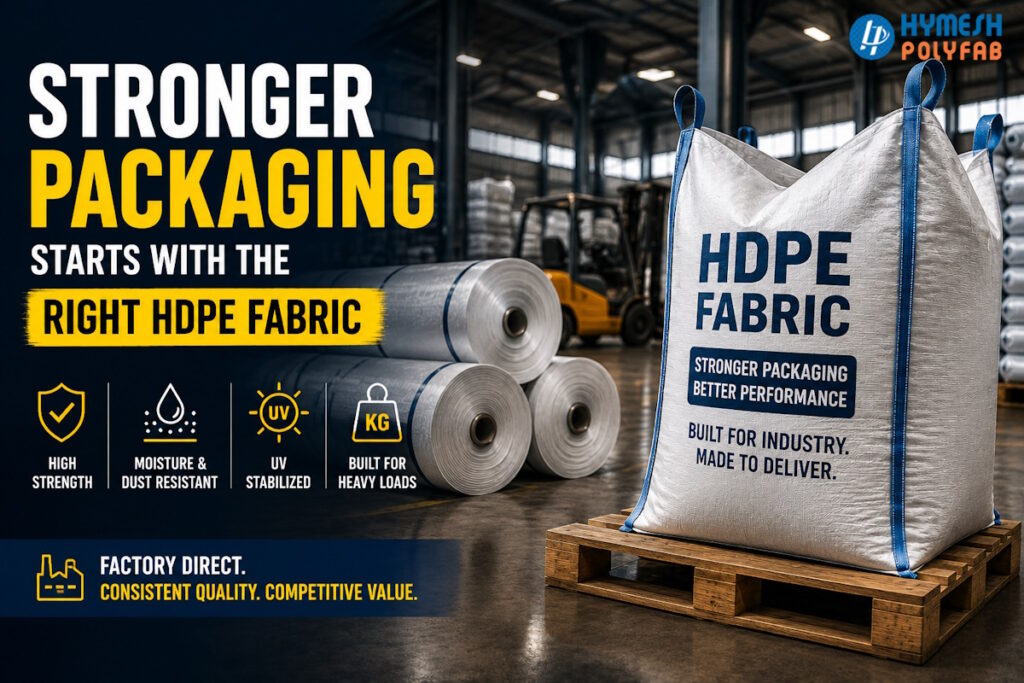
Industrial procurement managers often face a distinct set of challenges when sourcing heavy-duty packaging materials.
Whether you are packaging cement, agricultural yields, chemical compounds, or minerals, the physical integrity of your outer containment is paramount to preventing product loss during transport.
When companies decide to buy HDPE fabric for their operations, they are often met with complex technical specifications that are difficult to evaluate without deep domain knowledge. This can lead to purchasing errors, where nominal weights and dimensions do not match the physical stress demands of the logistics chain.
By working directly with an experienced woven fabric supplier, industrial buyers can bypass these inconsistencies. Direct manufacturing partnerships allow for exact customization of yarn thickness, weave density, lamination thickness, and ultraviolet protection. Sourcing bulk HDPE fabric directly from an experienced manufacturer ensures that the physical properties of the fabric align precisely with your mechanical handling, storage environment, and filling equipment requirements. This technical guide outlines how to evaluate, specify, and procure high-quality high-density polyethylene fabric to optimize your packaging performance and operational bottom line.
Need HDPE fabric customized for your industrial application?
Understanding the Core Chemistry: Why HDPE Fabric Excels in Industrial Packaging
The performance of any industrial-grade containment fabric begins at the polymer level. High-density polyethylene, or HDPE, is chosen for applications requiring exceptional tensile strength, impact resistance, and chemical stability. When extruded into flat tapes and woven, it forms a highly resilient matrix capable of handling substantial weight under dynamic stress conditions.
HDPE vs PP: Selecting the Right Polymer for Your Application
While both high-density polyethylene and polypropylene are widely used in the production of industrial fabrics, they exhibit different physical properties that dictate their suitability for specific applications. HDPE offers superior impact resistance at lower temperatures and performs exceptionally well in environments with high moisture or chemical exposure. On the other hand, polypropylene is often favored for applications requiring higher stiffness and resistance to flexing. If your logistics chain involves cold storage or outdoor handling in variable climates, choosing to buy HDPE fabric is often the more reliable choice. It remains pliable and retains its structural integrity where other polymers might become brittle.
The Crucial Role of Virgin Resin in Fabric Performance
The quality of your hdpe woven fabric is heavily influenced by the grade of raw material utilized during the extrusion process. Virgin polymer resin contains uninterrupted polymer chains that provide predictable tensile strength and consistent elongation properties. Many lower-tier suppliers blend recycled materials into their formulation to reduce costs. While this may lower the initial purchase price, it significantly increases the risk of premature tape splitting, structural failure, and uneven wear. When sourcing from a reputable woven fabric supplier, buyers should clarify the percentage of virgin resin used to ensure the fabric can withstand the mechanical rigors of high-speed filling lines and long-distance transport.
Key Technical Specifications for Commercial Sourcing
To buy HDPE fabric effectively, procurement officers must look beyond simple cost-per-kilogram metrics. True quality and cost-efficiency are determined by how well the physical specifications of the material align with your operational stresses. Understanding these core parameters ensures you do not over-specify and inflate costs, or under-specify and risk containment failure.
Grams per Square Meter (GSM) and Load-Bearing Calculations
GSM is the primary metric used to measure the weight and thickness of bulk hdpe fabric. A higher GSM typically translates to greater material thickness and higher load-bearing capacity. For example, lightweight fabrics ranging from 50 to 70 GSM are commonly utilized for light agricultural covers and basic wrapping. In contrast, heavy-duty industrial packaging, such as container liners and bulk bags, requires GSM values ranging from 120 to 200 or more. Calculating the exact GSM needed requires analyzing the maximum weight of the payload, the method of handling, and whether the bags will be stacked several layers high in shipping containers.
Mesh Count, Tape Denier, and Weave Density
The strength of a woven fabric is not solely dependent on its weight; the structure of the weave plays an equally critical role. Mesh count refers to the number of warp and weft tapes woven per inch of fabric. Common configurations include 10×10, 12×12, or 14×14 weaves. A higher mesh count creates a denser, tighter weave that minimizes the risk of shifting and tearing. Denier represents the weight in grams of 9,000 meters of the extruded flat tape. Combining a high denier tape with an optimized mesh count yields an exceptionally tough fabric capable of surviving drop tests and rough handling during transit.
Tensile Strength and Elongation Thresholds
Tensile strength measures the maximum force a fabric can withstand before breaking, measured in both the warp (lengthwise) and weft (crosswise) directions. Elongation refers to the fabric’s ability to stretch slightly under load without tearing. High-quality hdpe woven fabric must balance these two forces. A fabric with high tensile strength but zero elongation will snap under sudden shocks, such as when a filled bag is dropped from a forklift. Conversely, too much elongation will cause the bag to deform, making stacking unstable. A professional manufacturer will perform rigorous tensile testing and provide certified test reports for each batch.
Unsure which GSM, mesh count, or tensile strength your packaging requires?
Lamination and Moisture Protection Options
Industrial materials are frequently subjected to harsh environmental conditions, including rain, high humidity, and dust. Unprotected woven fabrics have minute gaps between the interwoven tapes that can allow moisture to penetrate or fine particulate matter to escape. Selecting the right barrier coating is a critical decision during the procurement process.
When to Choose Laminated Woven Fabric
For products that are sensitive to moisture, such as cement, chemical powders, fertilizers, and certain agricultural goods, laminated woven fabric is indispensable. During the manufacturing process, a thin, molten layer of polyethylene film is extruded directly onto the surface of the woven fabric. This lamination layer seals the gaps between the weaves, creating a highly effective barrier against external moisture, water vapor, and dust. It also prevents the sifting of fine powders, ensuring that the full volume of your product reaches its destination without environmental contamination or product loss.
Unlaminated Fabric for Breathable Packaging
Not all industrial applications require a moisture barrier. In fact, some products require ventilation to prevent degradation. For instance, grains, seeds, potatoes, and other agricultural products release moisture naturally. If stored in a completely sealed, laminated container, this trapped moisture can lead to mold, rot, and spoilage. In these scenarios, unlaminated hdpe woven fabric is the preferred choice. The natural porosity of the weave allows heat and moisture to escape, keeping the contents dry and well-ventilated during transport and storage.
Understanding Lamination Thickness and Corona Treatment
When purchasing laminated options, buyers must specify the lamination thickness, typically measured in microns or grams per square meter. A standard lamination layer adds approximately 15 to 20 GSM to the base fabric weight. Furthermore, if you plan to print brand logos, handling instructions, or hazard warnings on your packaging, the fabric must undergo corona treatment. This electrostatic process alters the surface tension of the laminated film, allowing printing inks to adhere firmly without smudging or peeling during handling. Establishing these requirements early with your woven fabric supplier ensures that your finished packaging looks professional and remains compliant with industrial labeling standards.
Sourcing Directly From a Woven Fabric Supplier: The Procurement Process
Transitioning from local distributors to a direct manufacturing model can yield significant cost savings and quality improvements. However, managing this relationship effectively requires a structured approach to communication and technical verification. Working directly with a premier woven fabric supplier allows you to build a tailored supply chain that matches your exact production cycles.
Defining Custom Specifications for Your Industry
Every industry has unique handling and regulatory demands. Food-grade packaging requires raw materials that comply with FDA or European food safety standards, manufactured in clean, contamination-free facilities. Industrial chemical packaging, on the other hand, may require specific electrostatic properties or specialized chemical resistance. When you buy HDPE fabric direct from the manufacturer, begin by sharing your specific application requirements rather than just a generic product description. A capable technical team can recommend the ideal formulation, weave density, and stabilization packages based on your real-world use cases.
Quality Control Protocols and Batch Testing
A major advantage of a direct manufacturing partnership is the ability to enforce strict quality control protocols. When evaluating potential suppliers, ask for detailed information on their in-house testing capabilities. A reliable manufacturer should test every production run for weight consistency, tape width uniformity, tensile strength, and lamination adhesion. They should also be able to provide Certificate of Analysis (COA) documents with each shipment. Regular batch testing guarantees that the bulk hdpe fabric you receive maintains the same high standards from the first roll to the last, reducing down-time on your automated packing lines.
Logistics, Lead Times, and Export Documentation
Importing bulk materials requires careful logistical planning. When negotiating terms, discuss production lead times, shipping schedules, and container utilization. High-quality fabric is typically packed in tight, protective rolls or pallets to maximize container space and protect the material from physical damage during ocean transit. Ensure your supplier has extensive experience with international shipping documentation, customs clearance procedures, and port logistics. Clear communication regarding Incoterms, whether FOB, CIF, or DDP, prevents unexpected costs and ensures smooth delivery to your warehouse or manufacturing facility.
Common Sourcing Mistakes in Bulk Polyfab Procurement
Even experienced procurement professionals can fall into common traps when sourcing woven fabrics. Recognizing these pitfalls can save your organization from high rejection rates, product damage, and strained supplier relationships.
Focusing Solely on the Lowest Price per Metric Ton
In the commodity-driven world of polymer fabrics, it is tempting to make purchasing decisions based entirely on the lowest bid. However, exceptionally low prices are often achieved by compromising on raw material quality. This might involve using high percentages of recycled scrap, reducing the amount of UV stabilizers, or compromising on lamination thickness. When you choose to buy HDPE fabric based purely on price, you may face hidden costs down the line, such as torn bags, leaking products, and damaged customer relationships. True cost efficiency is found by balancing a competitive price with the structural durability required for safe delivery.
Underestimating the Impact of UV Degradation
Polyethylene is inherently sensitive to ultraviolet light. When exposed to direct sunlight for extended periods, untreated HDPE can undergo photo-oxidation, leading to loss of tensile strength, discoloration, and eventual cracking. Many buyers overlook this factor, assuming their materials will always be stored indoors. In reality, cargo often sits on open docks, in transit yards, or in agricultural fields for days or weeks. To prevent premature fabric failure, ensure your supplier incorporates high-quality UV-stabilizer masterbatches into the polymer extrusion process. The concentration of these additives should be customized based on the expected geographic location and duration of sun exposure.
Failing to Verify Roll Width and Tape Alignment Consistency
For companies using automated conversion machinery to produce bags, covers, or liners, dimensional consistency is absolutely critical. Minor variations in roll width, uneven winding, or inconsistent tape tension can cause frequent machinery jams, material wastage, and reduced packaging speeds. When partnering with a new woven fabric supplier, it is highly recommended to request pre-production sample rolls. Testing these samples on your actual machinery allows you to verify that the roll tension, edge alignment, and width tolerances are compatible with your manufacturing equipment before committing to a large bulk order.
Direct Sourcing Framework for Industrial Enterprises
Securing a reliable, high-performing supply of industrial packaging materials is not merely a matter of placing an order. It requires a systematic approach that balances technical specifications, rigorous quality assurance, and open communication with your manufacturer. By shifting away from third-party brokers and establishing a direct partnership with a primary manufacturer, your business gains greater control over material quality, enjoys more stable pricing structures, and secures a dependable supply chain that can scale with your operational demands.
As you prepare to finalize your next bulk procurement strategy, focus on establishing clear technical specifications, requesting certified test data, and validating your requirements through real-world testing. This disciplined approach minimizes operational risks and ensures that your products are protected by packaging that matches your corporate standards for excellence and reliability.
Ready to source premium HDPE fabric directly from the manufacturer?