
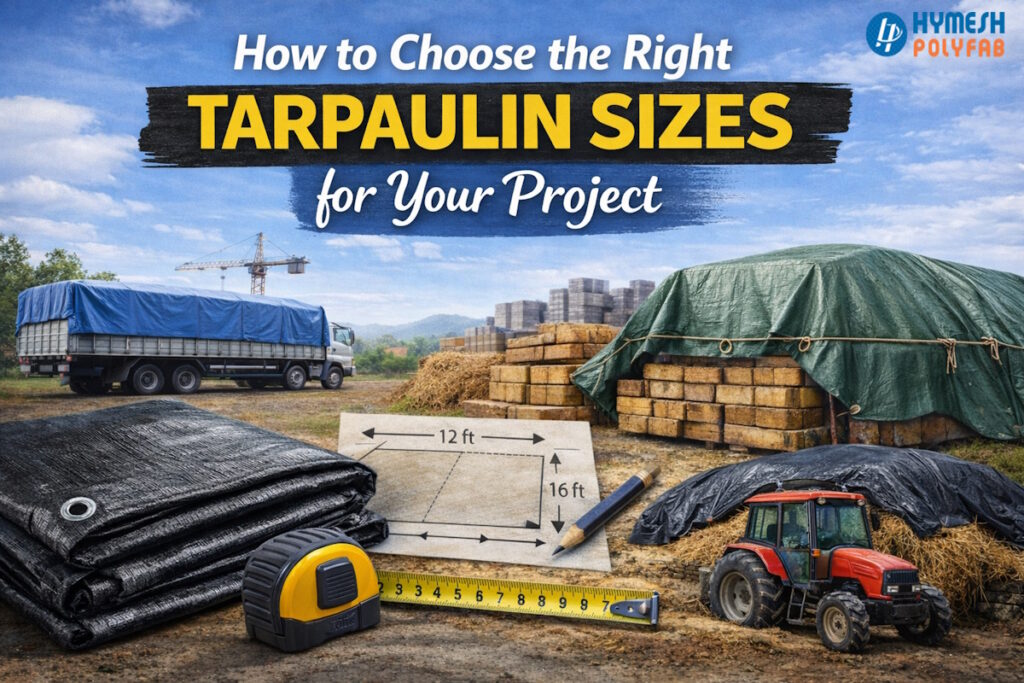
Tarpaulins are one of the most useful materials for protection, covering, and storage. People use them in farming, construction, transportation, warehouses, and even at home.
A tarpaulin can protect goods from rain, sunlight, dust, and wind. However, choosing the correct tarpaulin sizes is very important. If the size is too small, the material you want to cover will remain exposed.
If it is too large, it may become difficult to manage and may get damaged easily.
Many people buy tarpaulins without planning the right size. This can lead to waste of money and poor protection. The right tarpaulin size ensures proper coverage, longer life, and better performance. When you choose the correct size, the tarpaulin will fit well and stay secure even during strong wind or heavy rain.
In this article, we will explain how to choose the right tarpaulin size for your project. We will also discuss different types of tarpaulins, common applications, and how materials like black hdpe tarpaulin are used in different industries. If you are planning to buy tarpaulin from a reliable HDPE Woven Fabrics Supplier, this guide will help you make the right decision.
Not sure which tarpaulin size is right for you?
Understanding Tarpaulin Sizes
Tarpaulins come in many different sizes. The size you choose depends on the purpose of the cover and the shape of the object you want to protect. Most tarpaulins are available in standard sizes such as:
- 6 x 8 feet
- 8 x 10 feet
- 10 x 12 feet
- 12 x 16 feet
- 16 x 20 feet
- 20 x 30 feet
Large industrial tarpaulins can be even bigger. Some suppliers also offer custom sizes depending on the requirement of the project.
Before choosing among different tarpaulin sizes, it is important to measure the area you want to cover. Accurate measurement helps you select a tarp that gives full coverage without leaving gaps.
Tarpaulin sizes are usually mentioned in finished size or cut size. The cut size refers to the size before the edges are folded and stitched. The finished size is the actual usable size after manufacturing. Always check which size the supplier is mentioning before buying.
Why Choosing the Correct Tarpaulin Size Matters
Many people think that any tarpaulin will work for their project. But the correct size plays a big role in the overall performance of the tarp.
Proper Protection
The right tarpaulin size ensures that the entire object or area is covered. This is very important for protecting goods from rain, sunlight, and dust.
Easy Handling
A tarpaulin that is too large becomes difficult to manage. It can also create folds that collect water. Choosing the correct size makes handling easier.
Better Durability
When a tarpaulin fits properly, it experiences less strain. This increases its lifespan and reduces the chances of tearing.
Cost Efficiency
Buying the correct tarpaulin size helps you avoid unnecessary spending on extra material.
Steps to Choose the Right Tarpaulin Size
Selecting the correct tarp size is simple if you follow a few basic steps.
1. Measure the Area Carefully
Start by measuring the length and width of the object or space you want to cover. If the item has height, measure that as well.
For example, if you want to cover a pile of construction materials, you should measure the length, width, and height of the pile.
Add extra space to allow the tarpaulin to hang over the edges. This helps in tying the tarp securely.
2. Consider the Shape of the Object
Different shapes require different coverage methods.
Flat surfaces require simple measurements. However, irregular shapes such as machinery, stacked goods, or vehicles may need extra material for proper coverage.
In such cases, choose slightly larger tarpaulin sizes so that the tarp can wrap around the object.
3. Allow Extra Coverage
It is always better to choose a tarpaulin that is slightly larger than the measured area. Extra coverage allows proper tying and prevents exposure.
For example, if the object measures 10 x 12 feet, choosing a 12 x 16 feet tarp can provide better coverage.
4. Check the Purpose of the Tarpaulin
Different projects require different types of coverage. The purpose will affect the size you choose.
Some common uses include:
- Covering construction materials
- Protecting farm produce
- Truck covers
- Temporary shelter
- Ground covering
Each of these applications may require different tarpaulin sizes.
5. Check Eyelets and Tie Points
Most tarpaulins come with metal eyelets around the edges. These eyelets help secure the tarp using ropes.
When choosing a size, check if the eyelets are placed at regular intervals. Proper tie points help keep the tarp tight and stable.
Still confused about the right tarpaulin sizes?
Common Applications and Their Tarpaulin Size Needs
Different industries use tarpaulins for different purposes. Understanding the common uses will help you choose the right size.
Agriculture
Farmers use tarpaulins for many purposes such as covering crops, protecting grains, and creating temporary storage areas.
Large tarpaulin sizes are often required to cover harvested crops or protect stored grains from rain.
Many farmers prefer black hdpe tarpaulin because it provides strong protection against sunlight and moisture.
Construction
Construction sites often require tarpaulins to protect building materials like cement, sand, and bricks.
Medium to large tarpaulin sizes are commonly used to cover material stacks or equipment.
Transportation
Tarpaulins are widely used to cover goods during transportation. Truck tarps protect cargo from rain, wind, and dust.
In this case, the size depends on the dimensions of the truck bed and the height of the load.
Industrial Storage
Warehouses and factories use tarpaulins to cover machines, raw materials, and finished goods.
Custom tarpaulin sizes may be required depending on the storage setup.
Why HDPE Tarpaulin is Popular
HDPE tarpaulins are widely used in many industries due to their strength and durability.
HDPE stands for high density polyethylene. This material is strong, lightweight, and resistant to weather conditions.
A black hdpe tarpaulin is especially useful because it provides better protection against sunlight and heat. It also helps prevent light from entering covered areas.
HDPE tarpaulins are manufactured using woven fabrics that are laminated for extra strength. This process makes them waterproof and tear resistant.
Many industries prefer buying tarpaulins from a trusted HDPE Woven Fabrics Supplier because quality plays a major role in durability.
Benefits of Black HDPE Tarpaulin
Black HDPE tarpaulins offer several advantages.
Strong and Durable
The woven structure of HDPE fabric makes the tarpaulin very strong. It can handle heavy loads and rough conditions.
Weather Resistant
Black HDPE tarpaulin can resist rain, sunlight, and wind. This makes it suitable for outdoor use.
UV Protection
The black color helps block sunlight and protects goods from harmful UV rays.
Long Life
When manufactured by a reliable HDPE Woven Fabrics Supplier, these tarpaulins can last for a long time even with regular use.
Factors to Consider When Buying Tarpaulin
Apart from size, there are other important factors that affect the performance of a tarpaulin.
Material Quality
The quality of the woven fabric used in the tarp is very important. A strong material will last longer and provide better protection.
Thickness
Tarpaulin thickness is usually measured in GSM or mil. Thicker tarpaulins are stronger and more durable.
Waterproof Ability
A good tarpaulin should be fully waterproof. This is especially important for outdoor applications.
UV Resistance
Sunlight can weaken materials over time. UV resistant tarpaulins last longer when used outdoors.
Reinforced Edges
Strong edges with proper stitching prevent tearing when the tarp is tied tightly.
Custom Tarpaulin Sizes for Special Projects
Sometimes standard sizes may not work for certain projects. In such cases, custom tarpaulin sizes are the best option.
A reliable HDPE Woven Fabrics Supplier can manufacture tarpaulins according to specific measurements. Custom tarps ensure perfect coverage and better efficiency.
Industries like agriculture, logistics, and construction often require custom tarpaulin sizes for their operations.
Tips for Using Tarpaulins Effectively
Even the best tarpaulin will not perform well if it is used incorrectly. Here are a few simple tips.
Secure the Tarpaulin Properly
Always tie the tarp firmly using ropes through the eyelets. Loose tarpaulins can flap in the wind and get damaged.
Avoid Sharp Edges
Sharp objects can tear the tarp. Place padding between the tarp and sharp surfaces if needed.
Remove Water Accumulation
If water collects on the tarp, it can cause damage. Make sure the tarp is positioned in a way that allows water to flow off.
Store Properly
When not in use, clean and fold the tarp properly. Store it in a dry place.
Choosing the Right HDPE Woven Fabrics Supplier
Selecting the right supplier is just as important as choosing the right tarpaulin size.
A trusted HDPE Woven Fabrics Supplier ensures high quality materials, proper manufacturing, and reliable products.
When selecting a supplier, consider the following:
- Product quality
- Manufacturing standards
- Experience in the industry
- Customization options
- Customer support
A good supplier will guide you in selecting the correct tarpaulin sizes for your specific project.
Future Demand for Tarpaulin Products
The demand for tarpaulins continues to grow across many industries. Agriculture, construction, logistics, and warehousing all rely on tarpaulins for protection and storage.
Materials like black hdpe tarpaulin are becoming more popular due to their strength and weather resistance.
With the support of experienced HDPE Woven Fabrics Supplier companies, businesses can access high quality tarpaulins that meet their specific needs.
Conclusion
Choosing the right tarpaulin size is essential for any project that requires protection and coverage. The correct tarpaulin sizes ensure proper fit, better durability, and improved performance.
Before purchasing a tarpaulin, always measure the area carefully and consider the purpose of the cover. Adding extra coverage space helps secure the tarp properly.
Materials like black hdpe tarpaulin offer strong protection against weather conditions and sunlight. These tarps are widely used in agriculture, construction, and transportation.
Working with a reliable HDPE Woven Fabrics Supplier ensures you receive high quality tarpaulins that last longer and perform better.
By following the tips discussed in this guide, you can easily choose the right tarpaulin size for your project and ensure that your goods and materials remain protected in all conditions.
Looking to work with a trusted HDPE Woven Fabrics Supplier?