
Industrial logistics is changing fast. Companies now ship more goods than ever before.
Products move across cities, countries, and continents every single day. With this growth, packaging has become more important than ever.
Businesses need packaging that is strong, light, cost-effective, and safe for goods during transport.
This is where woven polyethylene fabric is becoming a game changer.
From protecting raw materials to handling finished goods, woven polyethylene fabric is now widely used in industrial logistics packaging. It offers strength, flexibility, and long life while keeping costs under control. Many experts believe that woven polyethylene fabric is not just a trend, but the future of logistics packaging.
In this article, you will learn what woven polyethylene fabric is, why it is better than traditional materials, how it is used in logistics, and why industries are shifting toward it. This detailed polyethylene woven fabrics guide will help you understand why this material is shaping the future.
Understanding Woven Polyethylene Fabric
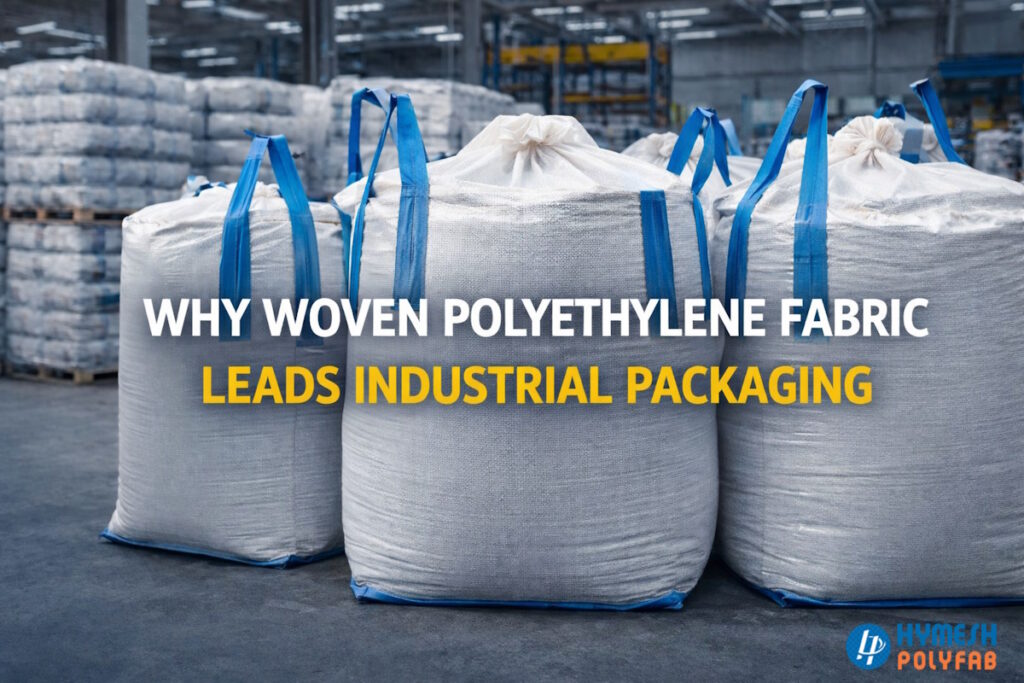
Woven polyethylene fabric is made by weaving strips of polyethylene together in a crisscross pattern. This weaving process creates a fabric that is very strong while still being light in weight. The structure allows it to handle heavy loads without tearing easily.
Polyethylene itself is a type of plastic known for its durability and resistance to moisture. When it is woven into fabric form, it becomes even stronger and more useful for industrial packaging needs.
Many people also call it polyethylene woven fabric. It comes in different thickness levels, sizes, and coatings depending on its use.
Why Industrial Logistics Needs Better Packaging
Logistics is not just about moving goods. It is about protecting them from damage, loss, and waste. Poor packaging can lead to broken items, water damage, contamination, and higher costs.
Industrial logistics faces many challenges such as:
- Long transport distances
- Rough handling during loading and unloading
- Exposure to rain, dust, and sunlight
- Heavy and bulky products
- Tight delivery schedules
Traditional packaging materials like paper bags, cardboard boxes, or jute sacks often fail under these conditions. This is why companies are now switching to more advanced solutions like woven polyethylene fabric.
Strength That Supports Heavy Loads
One of the biggest reasons woven polyethylene fabric is the future of logistics packaging is its strength.
The woven design gives it high load-bearing capacity. It can carry heavy industrial materials such as cement, grains, chemicals, fertilizers, and minerals without breaking.
Unlike paper or cloth bags, woven polyethylene fabric does not tear easily. Even when the fabric is thin, it remains strong due to the tight weaving of polyethylene strips.
This strength helps reduce product loss during transport and storage. It also gives businesses confidence that their goods will reach their destination safely.
Lightweight Material That Cuts Transport Costs
Even though woven polyethylene fabric is strong, it is also very light. This is a major advantage in industrial logistics.
Lighter packaging means lower transport weight. Lower weight leads to lower fuel costs and easier handling. Workers can load and unload goods more quickly, which saves time and labor costs.
Traditional packaging materials often add unnecessary weight. In comparison, woven polyethylene fabric provides strength without bulk.
This balance of strength and lightness makes it ideal for large-scale logistics operations.
Resistance to Moisture and Weather Conditions
Industrial goods often travel through different climates. Rain, humidity, and heat can damage products if packaging is weak.
Woven polyethylene fabric is highly resistant to moisture. Water does not easily pass through the fabric, especially when it has a laminated coating. This helps protect goods from rain and damp storage areas.
It also resists mold and rot, unlike natural fibers such as jute or cotton. This makes it suitable for long-term storage and overseas shipping.
Sunlight resistance is another benefit. Many woven polyethylene fabrics are treated to resist UV rays, which helps maintain strength even after long exposure to sunlight.
Long Life and Reusability
Durability is a key factor in logistics packaging. Companies want materials that last longer and can be reused.
Woven polyethylene fabric has a long service life. It does not break down easily, even after repeated use. Many businesses reuse woven polyethylene bags and covers multiple times before recycling them.
This reusability helps reduce packaging costs over time. It also supports sustainability goals by reducing waste.
Compared to single-use paper packaging, woven polyethylene fabric offers better value and performance.
Cost-Effective Packaging Solution
Cost matters in logistics. Packaging is a recurring expense, and even small savings can make a big difference at scale.
Woven polyethylene fabric is cost-effective because:
- It lasts longer than traditional materials
- It reduces product damage
- It lowers transport costs due to low weight
- It can be reused multiple times
The initial cost may be slightly higher than paper bags, but the long-term savings are significant. This is why many industries now see woven polyethylene fabric as a smart investment.
Wide Range of Industrial Applications
Woven polyethylene fabric is used across many industries. Its flexibility makes it suitable for different packaging needs.
Common uses include:
- Bags for cement, grains, and fertilizers
- Covers for machinery and equipment
- Liners for containers and trucks
- Bulk packaging for chemicals and minerals
- Storage sacks for agricultural products
Because it can be customized in size, color, and thickness, companies can design packaging that fits their exact needs.
This wide range of uses makes woven polyethylene fabric a key material in modern logistics.
Customization for Branding and Information
Packaging is not just for protection. It is also a way to communicate information and build brand identity.
Woven polyethylene fabric can be easily printed with logos, instructions, and safety details. The surface allows clear printing that stays visible even after rough handling.
This helps companies improve brand recognition and meet labeling requirements. Clear information on packaging also improves safety during transport and storage.
Customization adds value and makes woven polyethylene fabric even more attractive for industrial use.
Safety Benefits in Logistics Operations
Safety is a major concern in industrial environments. Weak packaging can lead to accidents, spills, and injuries.
Woven polyethylene fabric offers better safety because it holds materials securely. It reduces the risk of bags bursting during lifting or stacking.
The fabric is also flexible, which helps absorb impact during transport. This reduces stress on workers and equipment.
Safer packaging leads to fewer accidents and lower insurance costs, which is another reason companies prefer woven polyethylene fabric.
Environmental Considerations and Recycling
Sustainability is becoming important in logistics. Companies are under pressure to reduce waste and use recyclable materials.
Woven polyethylene fabric is recyclable. After its usable life, it can be processed and turned into new plastic products. This helps reduce landfill waste.
Many manufacturers are also working on improving recycling systems and using recycled polyethylene to produce new woven fabrics.
While it is still a plastic product, its long life and reusability make it more eco-friendly than many single-use packaging materials.
Comparison with Traditional Packaging Materials
To understand why woven polyethylene fabric is the future, it helps to compare it with traditional options.
Paper packaging is cheap but weak. It tears easily and fails in wet conditions.
Jute and cloth bags are natural but heavy and prone to mold.
Cardboard boxes offer structure but take up more space and add weight.
In contrast, woven polyethylene fabric offers strength, moisture resistance, light weight, and long life. This combination is hard to beat in industrial logistics.
Role of Technology in Improving Woven Polyethylene Fabric
Advances in manufacturing have improved the quality of woven polyethylene fabric.
Modern weaving machines create tighter and more uniform fabrics. Coating technologies add extra protection against water and sunlight.
Quality control systems ensure consistent strength and thickness. These improvements make woven polyethylene fabric even more reliable for industrial use.
As technology continues to advance, the performance of woven polyethylene fabric will only get better.
Importance of Choosing the Right Supplier
To get the best results, companies must work with a trusted HDPE Woven Fabrics Supplier.
A reliable supplier ensures high-quality raw materials, proper weaving standards, and consistent product performance. They also offer customization options and technical support.
Working with an experienced HDPE Woven Fabrics Supplier helps businesses avoid quality issues and ensure their packaging meets industry standards.
Choosing the right partner is key to maximizing the benefits of woven polyethylene fabric.
Global Demand and Market Growth
The global demand for woven polyethylene fabric is growing fast. Industries around the world are adopting it for logistics and packaging.
Growth in construction, agriculture, chemicals, and manufacturing is driving this demand. E-commerce and global trade are also increasing the need for strong and reliable packaging.
Market trends show that woven polyethylene fabric will continue to replace traditional materials in many applications.
This growth confirms its role as the future of industrial logistics packaging.
Challenges and How the Industry Is Addressing Them
Like any material, woven polyethylene fabric has challenges. Plastic waste is a concern, and recycling systems need improvement.
The industry is responding by developing better recycling methods and encouraging reuse. Many companies now collect used woven fabrics for recycling.
Research is also ongoing to develop more eco-friendly versions using recycled content.
These efforts show that the industry is committed to making woven polyethylene fabric more sustainable.
Future Innovations in Woven Polyethylene Fabric
The future of woven polyethylene fabric looks promising.
Innovations may include:
- Stronger fabrics with less material
- Improved UV and chemical resistance
- Better recycling technologies
- Smarter packaging with tracking features
These developments will further increase its value in logistics packaging.
As industries demand better performance and sustainability, woven polyethylene fabric will continue to evolve.
Why Businesses Are Making the Switch
More businesses are switching to woven polyethylene fabric because it solves many logistics problems at once.
It protects goods, reduces costs, improves safety, and supports sustainability goals. It also adapts easily to different industries and products.
Once companies experience these benefits, they rarely return to older packaging methods.
This shift shows strong confidence in woven polyethylene fabric as a long-term solution.
Conclusion
Industrial logistics packaging needs to be strong, reliable, and efficient. Traditional materials are no longer enough to meet modern demands.
Woven polyethylene fabric offers a powerful combination of strength, light weight, durability, and cost savings. It performs well in harsh conditions and supports reuse and recycling.
This polyethylene woven fabrics guide shows why industries across the world are adopting this material. With support from a trusted HDPE Woven Fabrics Supplier, businesses can improve their logistics operations and prepare for the future.
As global trade grows and packaging demands increase, woven polyethylene fabric stands out as the smart choice. It is not just a packaging material. It is the future of industrial logistics packaging.